

What is Chinese Medicine Nutrition?
“You are what you eat.”
“Let food be thy medicine.”
“He that takes medicine and neglects diet, wastes the skills of the physician.”
There are no shortage of quotes and adages that remind us of the healing power of food. Yet, diet therapy is an often overlooked aspect of Chinese medicine, despite being just as impactful as any other treatment modality. In fact, in TCM, medicine and food are considered to be of the same origin and are used to prevent and manage various health conditions in similar ways.
What sets Chinese Medicine Nutrition apart from other “diet” plans is that what makes a “healthy” meal varies from person to person. Instead of counting calories or using only the latest superfoods, we consider the temperature, nature, and energetics of ingredients when choosing what to eat.
Let’s take a closer look at Chinese Medicine Nutrition and how mastering this holistic approach can help you help more people live well.
Chinese Medicine Nutrition & Western Nutrition: What’s the Difference?
Both Chinese Medicine Nutrition and Western nutrition share the same ultimate goal: to keep us healthy and prevent illness. But how they view health and the power of food differs slightly.
Western nutrition takes a route focused on the nutrients our bodies need to thrive: vitamins, minerals, proteins, carbs, fats, micronutrients, and more. This approach is about understanding what these components do for our bodies, how they can prevent diseases, and how to get the proper amounts we need.
Chinese Medicine Nutrition, on the other hand, focuses on the energetic properties of foods and how they can be used to balance the body. Rather than count carbs or seek foods rich in a certain vitamin, Chinese Medicine Nutrition uses the properties of foods and entire dishes to create balance (like using warming foods to combat cold, or aromatic foods to break through stagnation).
Using both paths offers a personalised approach to eating to ensure we get dietary support for our specific health needs, season, and overall well-being.
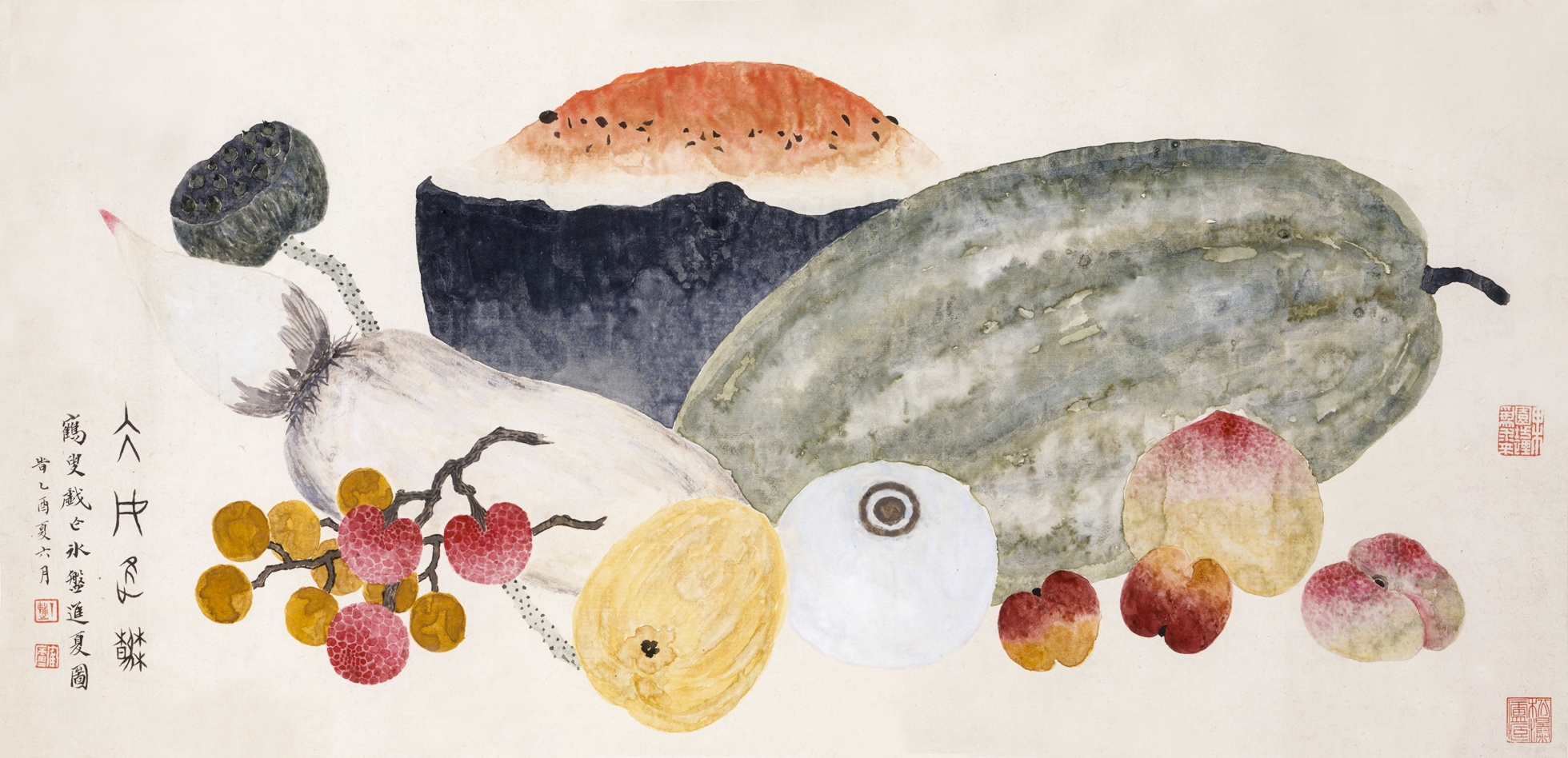
Who Can You Help with Chinese Medicine Nutrition?
From mild symptoms to complex chronic disease, there are few issues that don’t improve with the help of a personalised, health-focused diet. Here’s just a taste of the conditions that respond well to Chinese Medicine Nutrition (all of which are covered in the Chinese Medicine Nutrition Diploma program):
- Digestive Disorders and Gut Health
- Hormone Balance
- Male and Female Fertility
- Menstrual Health
- Menopause
- Musculoskeletal Health and Pain Conditions
- Mental Health
- Immunity and Autoimmunity
- Supporting Restricted Diets
Chinese Medicine Nutrition Basics
Like acupuncture or herbal medicine, Chinese Medicine Nutrition uses some familiar concepts to pave the path toward health and healing through diet:
Qi and Food Energetics
Every food has its own type of Qi that will interact with the body’s Qi. Foods can warm us up, cool us down, dry dampness, add moisture, or move qi, all depending on their inherent properties. For instance, ginger has a warming energy that can help boost digestion, while watermelon cools excess heat and inflammation.
Balancing Yin and Yang in Your Diet
All TCM therapies work to balance yin and yang, and nutrition therapy is no different. Foods are categorised as yin (which tends to be cooling or moistening), yang (which tends to be warming or drying), or neutral. The goal is to enjoy a range of foods in a way that keeps our bodies – and diet – in balance.
The Five Flavours and Organ Health
Chinese Medicine Nutrition categorises foods into six main flavours: sour, bitter, sweet, pungent/acrid, salty, and bland. Each flavour corresponds to specific organs and can influence their health. For example, sour flavours like lemon and vinegar are linked to the Liver and can help stimulate its function. You can use certain flavours to stimulate or relax an organ system, or incorporate a variety of flavours to support all the organs.
Eating in Tune with the Seasons
Nature knows best, and eating according to the seasons is a key tenet of Chinese Medicine Nutrition. This means enjoying warming, hearty foods in the winter to nurture yang energy and cool, refreshing foods in the summer to replenish yin energy. This approach not only supports the body’s internal balance but also connects us more closely to the natural world and its cycles.
Focus on Gut Health
The earthy Spleen and Stomach make up the central jiao, or axis of transformation and whole-body health in Chinese medicine. This means that no matter what conditions or constitutions you help manage with nutrition therapy, you will also inherently support a well-functioning digestive system. This not only helps enhance the body’s ability to absorb and utilise nutrients, but can also address other digestive symptoms like bloating, constipation, and irregular appetite.
Personalised Dietary Advice
Just like every acupuncture treatment or herbal script are tailored to the individual, so is every dietary recommendation. Dietary advice can be designed to support a specific health condition, constitutional tendencies, and even someone’s emotional state. By taking into account the whole person—body, mind, and spirit—Chinese Medicine Nutrition adds another layer of holistic, customised care that effectively promotes health and well-being.

Go Deeper with the Chinese Medicine Nutrition Diploma
Helping patients understand the benefit of a healthy diet is a core part of any holistic wellness plan. But, when you guide them to make better choices for their unique imbalances, conditions, and constitution, that’s where the true transformation begins.
The Practitioner Hub’s Chinese Medicine Nutrition Diploma is a comprehensive, year-long training program that equips you to make effective recommendations and use food as medicine. Through weekly virtual lectures, you will take a deep dive into the delicious world of Chinese Medicine Nutrition and discover how to help a wide range of patients eat for well-being.
Ready to empower your patients and enhance your practice? Enrol now for the Chinese Medicine Nutrition Diploma using the button below:

